
Survey of qualitative and quantitative methods of analysis in Chemistry, Biochemistry and Molecular Biology and their relevance to bioengineering. Techniques for the determination and experimental analysis of chemical metabolites and biological macromolecules emphasizing the following subjects: analytical process, common analytical tools, chemical equilibrium, basic spectroscopy, chromatography and separation methods, metabolite and protein extraction, protein purification methods and quantitative determination, high performance liquid chromatography, western blotting. An introduction to modern instrumental analysis highlighting gas- and liquid chromatography coupled with mass spectrometry and computational data analysis. Strengths and weaknesses of each method.
Engineering principles in biology, BioBricks and standardization of biological components, parts registries, advanced molecular biology tools for DNA assembly, genome editing, high-throughput genetic manipulation methods, construction of biological pathways, strategies for transcriptional control, examples of engineered systems.
Metabolic engineering role in transition from fossil resources to a bio-based society. Design-build-test-learn cycle of metabolic engineering. Design, genetic engineering and optimization of microbial biocatalysts. Metabolic network analysis, constraint-based modelling of metabolism, microbial production of valuable chemicals. General biochemical engineering practices. Recombinant DNA technology, enzyme function, kinetics and regulation. Cell chemistry, structure and function. Growth models, fermentation, strain development. Case studies.


Dr. Ignea is the Primary PI of the McGill iGEM team, which strives to develop novel synthetic biology approaches to solve globally relevant issues.
Our team prioritizes educational initiatives to educate youth, young adults and postsecondary students on interdisciplinary STEM topics, connecting the many facets of Canada and the world's bioeconomy. We provide students the opportunity to experience the full life cycle of a research project from ideation to market launch, cultivating transferable skills, such as leadership, entrepreneurship, critical thinking, and collaboration. Our group prides itself on fostering the brightest minds of tomorrow and democratizing access to science to pave the path for a better future.

GRAND PRIZE WINNERS
Top 10
Gold Medal
Nominated Best Part Collection, Best Wiki, Best Foundational Advance


Gold Medal
Nominated Best Diagnostics Project, Best Part Collection, Best Software Tool


GRAND PRIZE WINNERS
Top 10
Best Therapeutics Project
Best Part Collection
Best Presentation
Gold Medal
Nominated Best Wiki


Top 10
Gold Medal
Nominated Best Presentation, Best Wiki


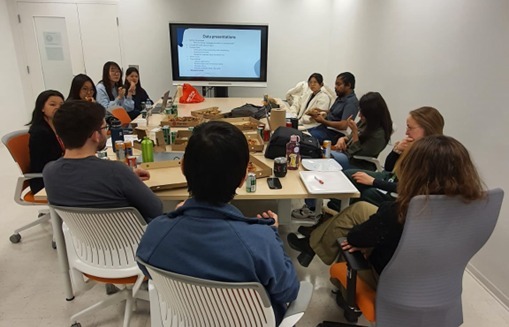
Presenting your research in a manner that is clear and easy to understand can be challenging, but it is an essential part of any academic's career. With the Art & Science of Figure Design, we run a series of workshops to teach graduate students the key skills and knowledge needed to produce publication-ready graphs and figures, such as data visualization principles, effective use of colour and layout, software tools, and best practices for tailoring figures to different audiences and journals.
This initiative is led by Eleanor Dong.
The creation of a cover figure:
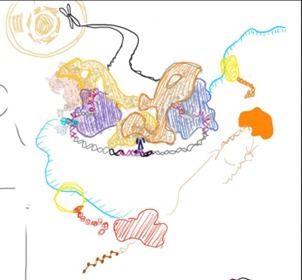
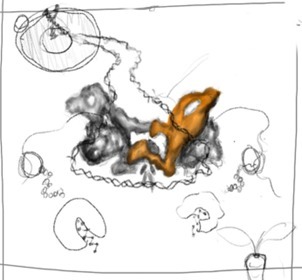
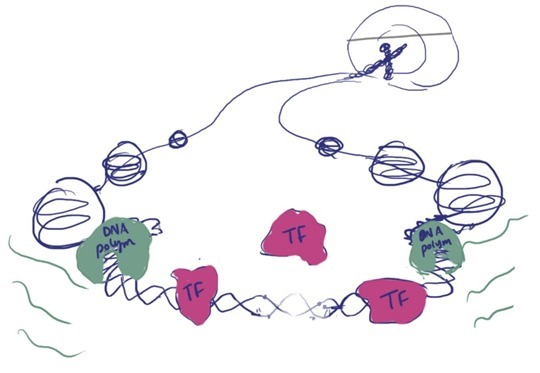
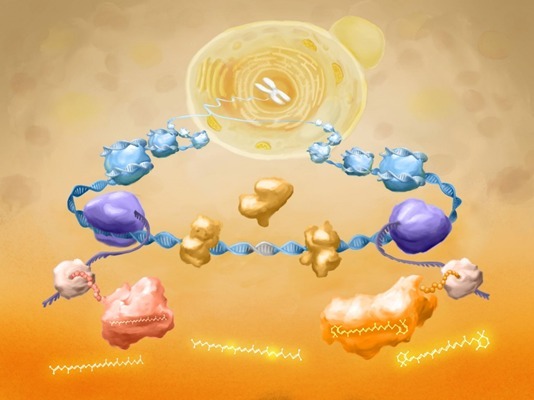

This is a series of advanced workshop taught by Ye En Kim on creating publication-quality figures for complex biological data. The curriculum provides hands-on training in graphing using a suite of essential software: Python (Matplotlib/Seaborn), R (ggplot2), and MATLAB for custom computational graphics and bioinformatics analysis; GraphPad Prism and JMP for robust statistical analysis and visualization; and BioRender for professional schematics. Sharing her expertise across these platforms, Ye En's peer-led initiative elevates the lab's communication standards and contributes to the training of highly qualified personnel (HQP).

Join us in our endeavor to unravel the mysteries of Canada's biodiversity, contribute to its conservation, and inspire future generations to cherish and protect the natural wonders of our nation. Together, we can make a positive impact on the ecological legacy of Canada for generations to come.
Student Development:
As a university club, we strive to support the personal and professional growth of our members. BioDive offers training opportunities, leadership experiences, and hands-on fieldwork, empowering students to become effective advocates for biodiversity conservation.
Mission Statement:
BioDive aims to conduct scientific research and field expeditions to explore the diverse ecosystems of Canada. Through these studies, we strive to expand our knowledge of local flora and fauna, identify threatened species, and contribute valuable data to regional and national conservation efforts.
The club is committed to raising awareness about the importance of biodiversity and its ecological significance. We aim to bring together students from different backgrounds, and different stages in their careers through workshops, seminars, and public outreach programs to engage our university community and the general public, fostering a sense of environmental responsibility and stewardship.
This initiative is led by Catherine Xu and founded by Jean-Alexandre Bureau and Dan Voicu.
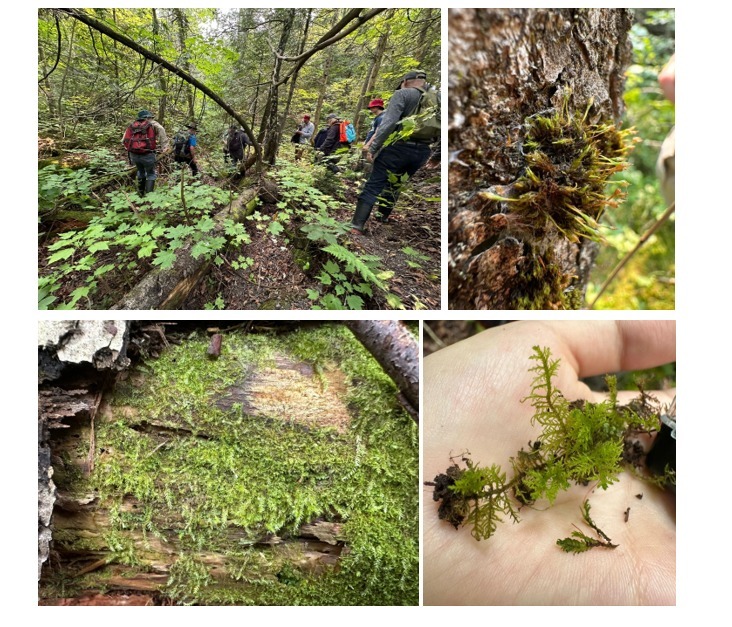
Field trip in the Quebec woods to sample liverworts and moss:
Plant collection field trip in Thailand, through a Research Exchange funded by the Graduate Mobility Awards to Catherine Xu and Zimo Jin:


Copyright © Ignea Lab 2026
Bioengineering Department, Faculty of Engineering, McGill University